Harvest 2025 Prep: Collecting the Best Possible Yield Data

In preparation for harvest, it is important to make sure your combine, GPS, and data systems are ready to go and that you’re set up to make the most of the valuable information your fields produce.

Your yield map is more than just a pretty picture. It’s the foundation for better decisions: identifying which varieties performed, spotting yield-limiting areas, and fine-tuning your inputs for next year. If you haven’t yet signed up for a yield analytics program, this is your chance to turn your harvest data into actionable insights and real ROI. This guide will walk you through key setup tips to ensure you collect the best possible yield information this season.

BEFORE YOU HIT THE FIELD

PLAN FOR CALIBRATION

IN-FIELD BEST PRACTICES

HEADER HEIGHT SETUP: SMALL DETAIL, BIG IMPACT
Your combine’s header height sensor controls when yield data is recorded. If not set correctly, the system can miss harvest data or record when it shouldn’t, leading to gaps or streaks on your map.

How to fix it:
1. Lower the header to your normal cutting height.
2. On your display, set this as your cut height.
3. Save it as your working preset.

When to check this setting:

USING AUTO SWATH
Auto Swath is a great tool when your equipment and GPS signals are working reliably. It helps reduce operator input and keeps mapping consistent. In certain conditions, Auto Swath can cause more harm than good by guessing the wrong width or shutting off recording too early or late

Use Auto Swath if:

Turn it off if:

Pro tip:
If in doubt, set the swath width manually and turn Auto Swath off until you're confident in GPS accuracy.

SOLAR FLARES AND GPS WARNINGS FOR 2025
We’re entering the peak of Solar Cycle 25, meaning more solar flares and geomagnetic storms could occur during harvest in Western Canada. We can’t predict when a solar storm will hit and most geomagnetic events are minor (G1–G2) and go unnoticed but stronger events can cause temporary headaches with equipment.

Why it matters:

What to do:

GOOD DATA = BETTER DECISIONS
Accurate yield maps help you:

Don’t let small setup details or missed opportunities undo a full season of hard work.

Contact us today to learn more about our yield analytics program and see how your harvest data can work harder for you. We’ll help you set up your equipment, collect reliable data, and turn your maps into a plan for bigger profits next season.
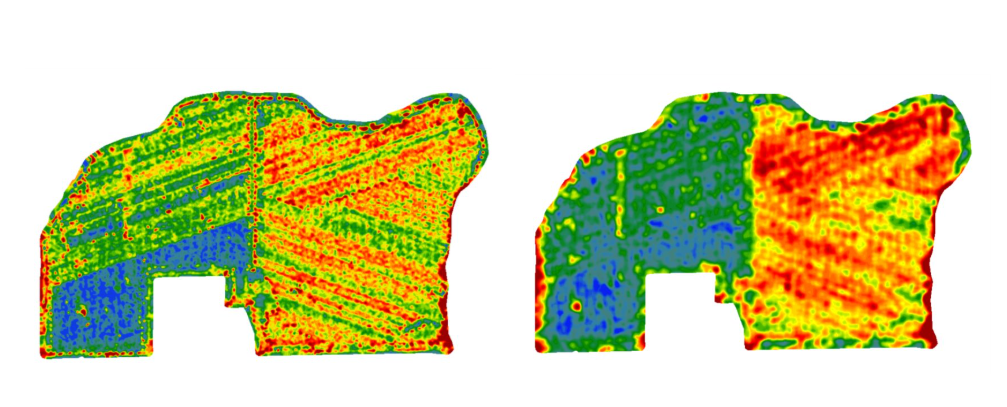
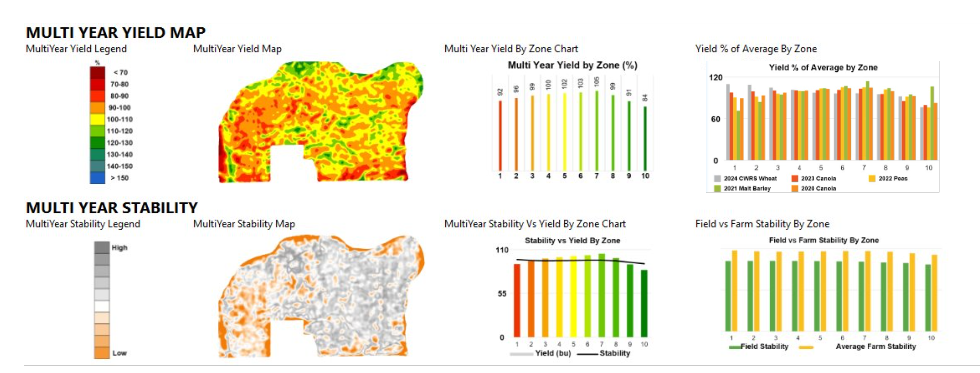
What Five Years of Yield Data Revealed About Soil, Profit, and Potential

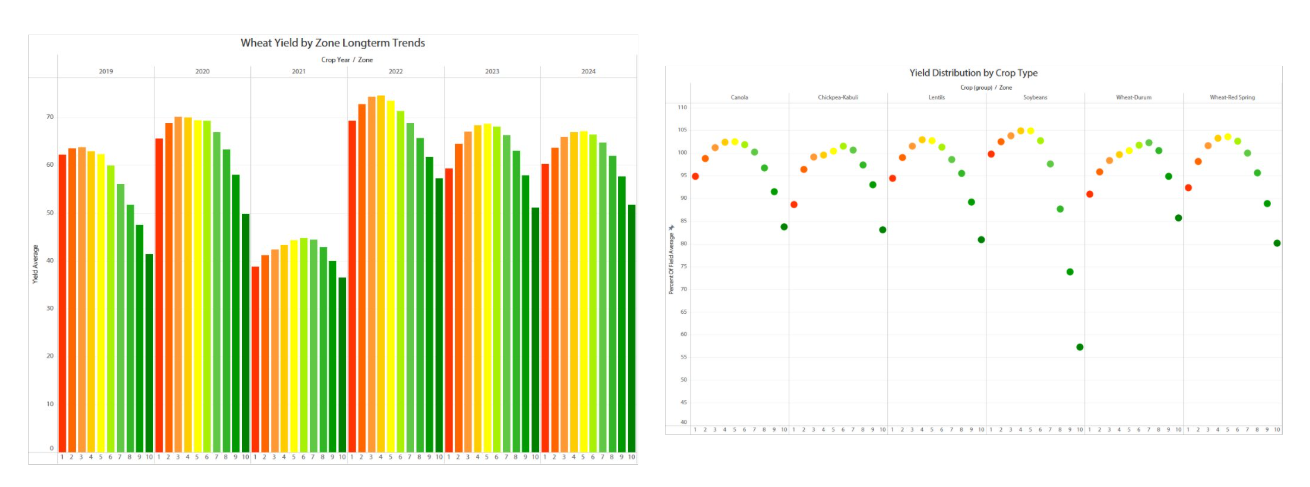
In today’s precision agriculture landscape, farmers generate massive amounts of data, but making sense of it can be a challenge. Long-term yield data analysis offers an opportunity to transform raw data into actionable insights, improving farm efficiency and profitability.

The Importance of Yield Analytics
Yield analytics enables farmers to assess crop performance across different years, fields, and management practices. By analyzing historical yield data, farmers can:

Cleaning and Standardizing Data
Before analysis, yield data must be cleaned to ensure accuracy. This involves:

Multi-Year Yield Analysis
One of the key advantages of long-term yield data analysis is its ability to uncover multi-year trends. This helps in:

Large-Scale Data Analysis for Better Decision-Making
By aggregating yield data across multiple farms and companies, agronomists can make more informed decisions. Large-scale analysis enables:

The Future: Target Yield Goal Generator
A new advancement in yield analytics is the Target Yield Goal Generator, a tool designed to set realistic yield targets based on historical data and field conditions. This innovation allows farmers to:

Conclusion
Long-term yield data analysis empowers farmers to move beyond intuition and embrace data-driven decision-making. By leveraging tools such as SWAT Yield Analytics, multi-year data trends, and soil nutrient-based insights, farmers can enhance productivity, sustainability, and profitability. As technology continues to evolve, so will the potential for even more refined and actionable analytics in agriculture.

Learn more about the SWAT MAPS Yield Potential Program here.

Make it Count: How to Harvest Field Trials

Trials are an important part of our learning about how different treatments benefit each SWAT ZONE. Whether it is a replicated trial, a casual strip trial or a field split in half, collecting the data at harvest time is key for future decision making.

About Our Process

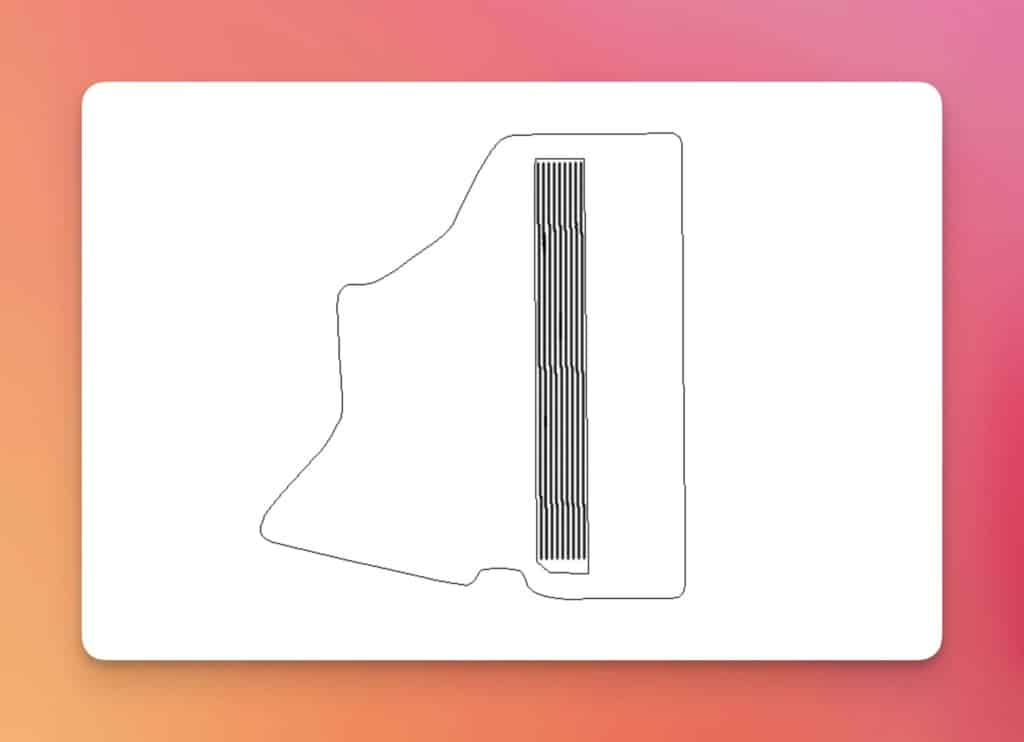
The SWAT MAP Yield Potential team approaches trial data differently than processing yield on a field scale. First, because we are dealing with smaller areas, we use a much higher resolution map. Then, we manually clean the raw point data to ensure the maximum amount of quality data is preserved. Data points too close to trial edges are removed to reduce the effect of any overlap between treatments. Headlands and passes around sloughs or obstacles are also removed.


Figure 1. Cleaned yield points within the trial boundaries.

Best Practices for Harvest

The most crucial part of harvesting trials is direction. Harvesting along the same direction as the trial strips will preserve as much of the data as possible and make those results most accurate. Because we clip the data close to trial boundaries, harvesting at 90 or 45 degree angles will reduce the usable data by 50-70%.

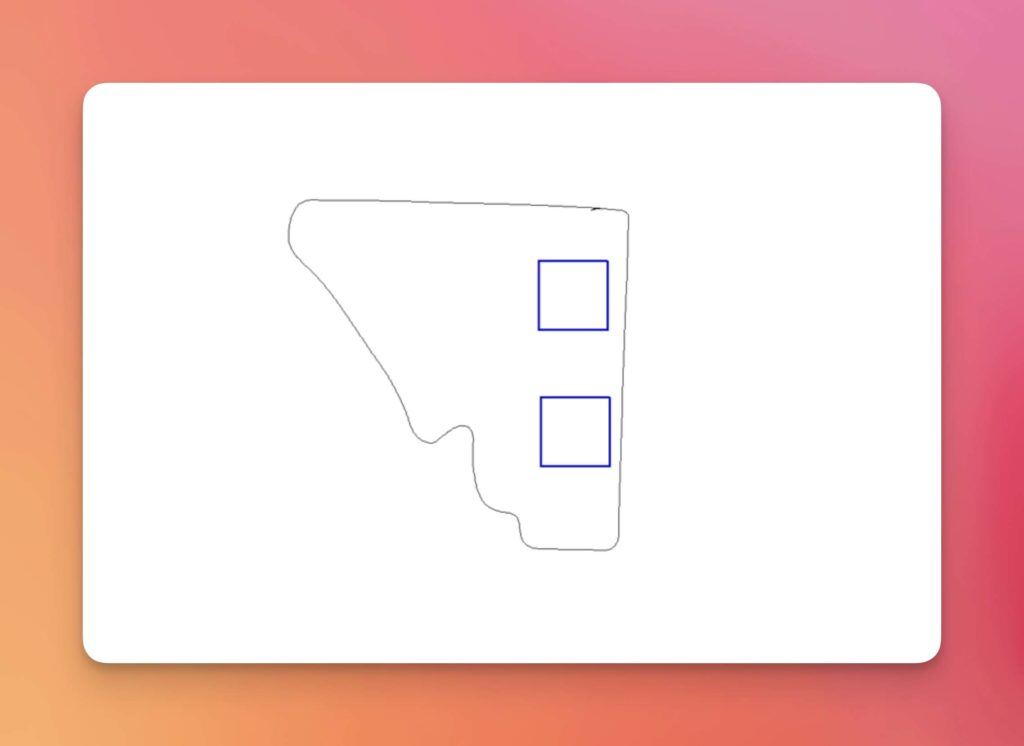
Direction is so important that our GIS team will design trial strips to match what farmers intend to do. We implement square blocks instead of strips for farms that harvest on 45 degree angles.


Figure 2. Trial design for a diagonal harvest direction

When possible, use the same combine to harvest the trials and a minimum of 2 surrounding passes. This way we can rule out machine discrepancies in the data and have enough data around the trial to use as a control. For large trials where a field is split in half, try to run your combines side by side so an equal area is covered by each machine in each treatment area. The same principles also apply to swathing.

Calibration

Trials often have a wide range of yields between treatments and different SWAT ZONES. To accurately capture this, it is important to calibrate your combines at different flow rates to ensure the yield monitor is reading correctly regardless of the crop conditions.

When using a weigh wagon, it is important to keep accurate, easy to understand records of the weights and what is being weighed. Also ensure the units of measurement are clear. Measuring bulk density (bushel weights) is also helpful.

Results

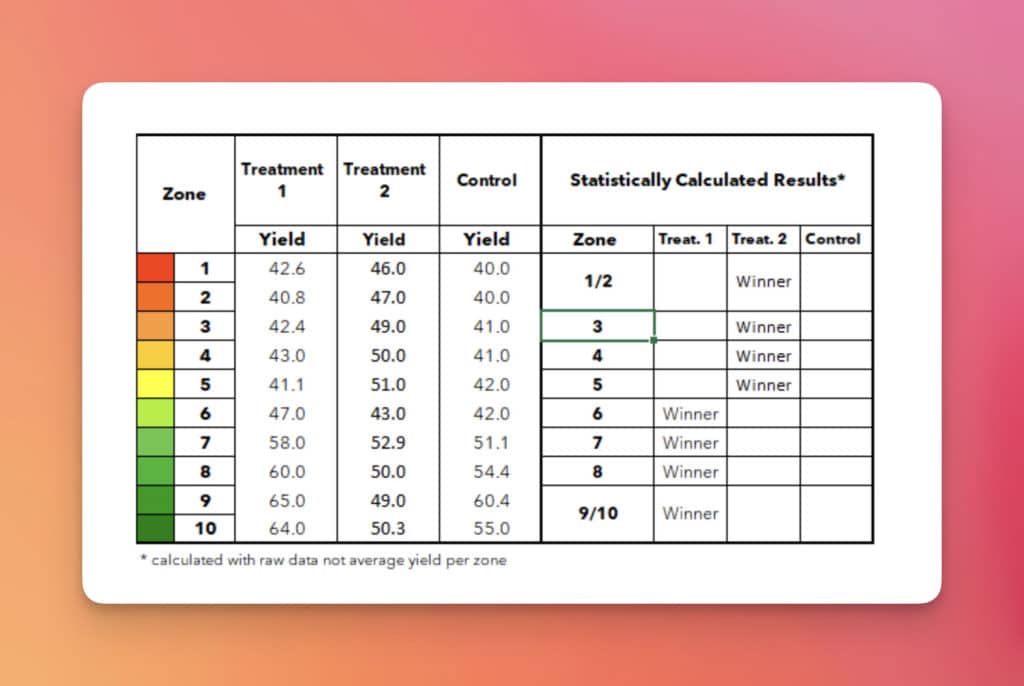
The cleaned data points are sorted by SWAT ZONE and analyzed for statistical significance. This is done by using each data point in the trial and zone area, not just by average yield. This method takes into consideration the variability that may exist in each trial.

Our findings are presented to the farm in graph and chart format. The agronomist will include an interpretation of results along with recommendations for future use.

Considering a Field Trial?

We are excited about learning how products and treatments interact with each SWAT ZONE. Talk to your SWAT MAPS service provider about requirements and funding opportunities.

Making Sense of Soil Moisture Graphs

The SWAT MAPS weather station team installs and maintains many weather stations in Western Canada with soil moisture probes for our customers. This technology gives us a window into what is going on beneath the surface and how the roots are interacting with soil and using water. Soil moisture data has gives us further insight into how the crop is performing and can be beneficial for in-season top-dressing applications, for understanding yield analytics post-season, and more.

The team works with different kinds of moisture probes that have between 5 and 12 depth sensors that report hourly readings of soil moisture conditions. Each moisture probe is installed in the field after seeding, positioned between the crop rows, ideally in a SWAT zone that represents the average for the field. This allows us to see how soil texture, heat, root behavior, and rainfall events affect the soil moisture profile.

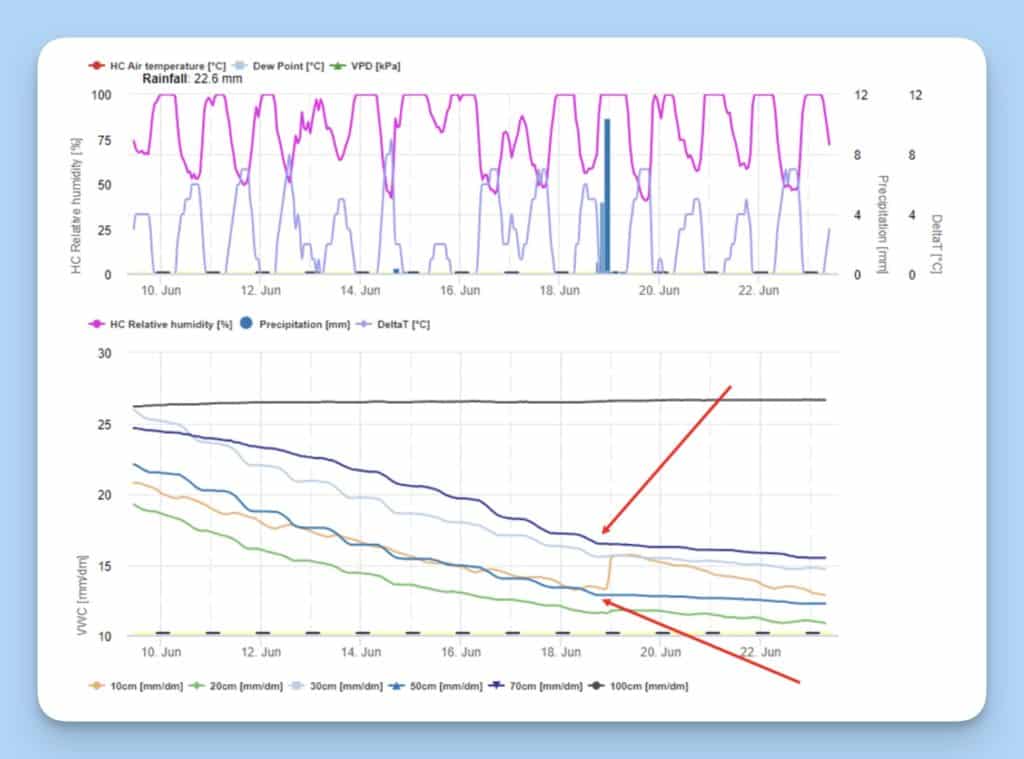
In the first example (above) we have a crop that got a good start to the season and has strong root activity down to 70 cm. The initial soil conditions here were good and the crop was able to develop a good root system that could take advantage of the moisture at depth during the mid-June heat.

A rainfall event recharged the soil moisture at 10 cm and just marginally at 20 cm. After this time, root activity stops below 50 cm. Why extend the energy to the deep roots when there are plenty of easily accessible moisture close to the surface? As that water is used up without additional rainfall the roots at depth will begin to draw moisture again. This also has consequences for nutrient uptake depending on where those nutrients are in the profile. As the topsoil nears wilting point, highly stratified nutrients like phosphate, zinc, potassium, and potentially others may become deficient as the plant continues to grow well on subsoil reserve moisture.

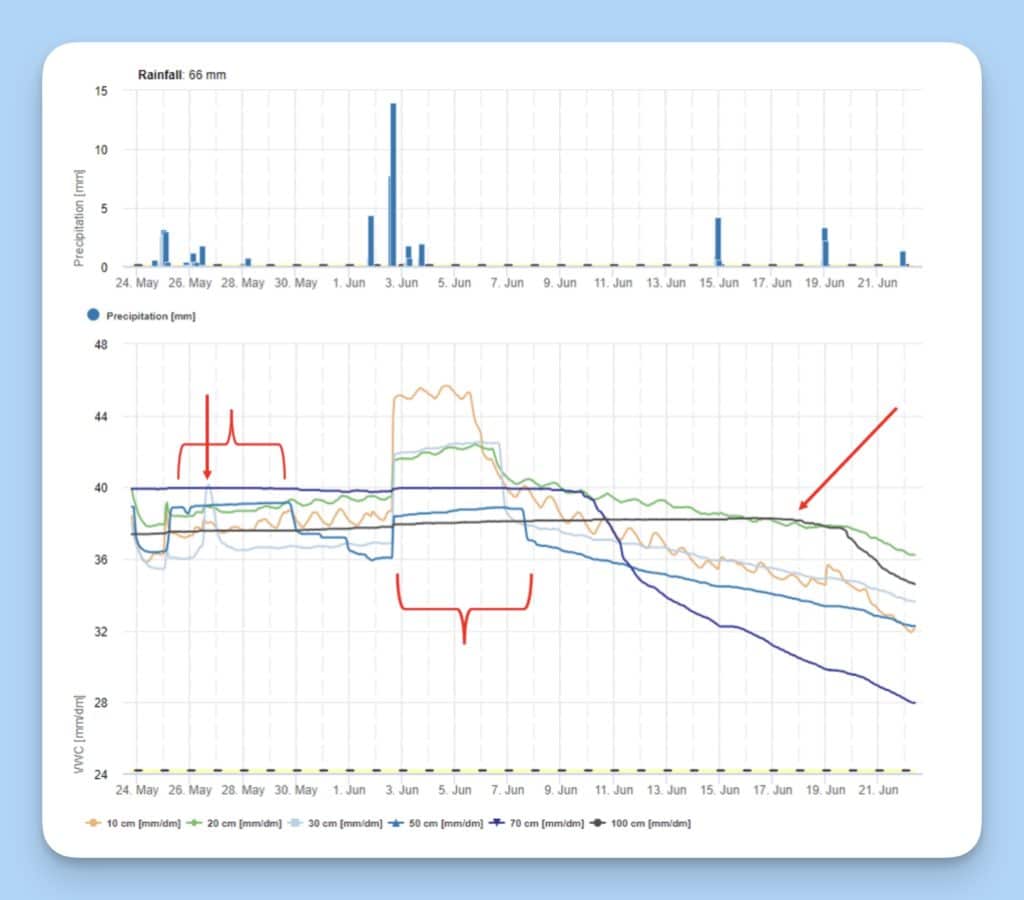
The next example is unique in that it comes from a research site where we have placed the moisture probe in SWAT Zone 10, where we know there is excess moisture.

During installation, it was noticed that the water table was high at this location. You can see in the straight lines of the graph at 70 and 100 cm that nothing is draining here. The water table was at 70 cm depth when the moisture probe was installed. The next rainfall event moved that up to 50 cm and very briefly to 30 cm before draining back off.

A second larger rainfall moved that water table back up to 30 cm for 2 days before draining off again. The 50 and 70 cm sensors start to drain off shortly after as the crop starts using more water. Then in mid-June we finally see the water table drop below 100 cm.

So what does this data mean, and why is it so invaluable to keeping in your back pocket?

Each time the water table comes near the surface, crop stress and denitrification is likely to occur, helping us to make in-season management decisions, or understand why final yield is not as good as expected. It would also help explain developing salinity problems that need to be addressed with subsurface drainage.

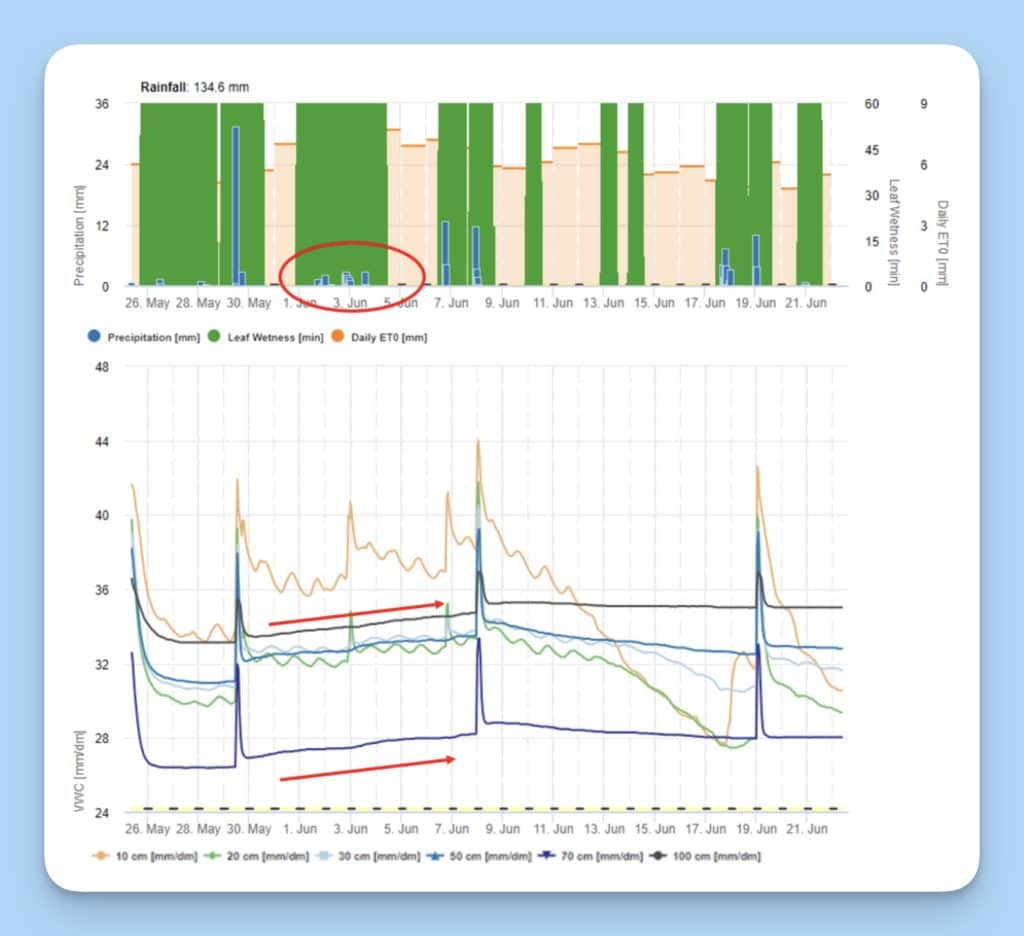
This example is what a full soil moisture profile looks like. The first large rain event of the season brought the moisture levels up to field capacity. You can see the graph lines for each depth sensor spike up and then down again rapidly as the water drains. Over the next few days smaller rains gradually increase the water level at depth so when the next large rain event occurs it can’t hold anymore. After this point the graph returns to the saturation point after each rain. As root activity develops deeper those levels will gradually drop off.

This data shows us that mobile nutrients like nitrogen, sulfur, and chloride are potentially leaching below the current root zone. If it were to show movement deeper than the crop’s typical root depth, topdressing may be required to match water-driven yield potential and account for leaching losses.

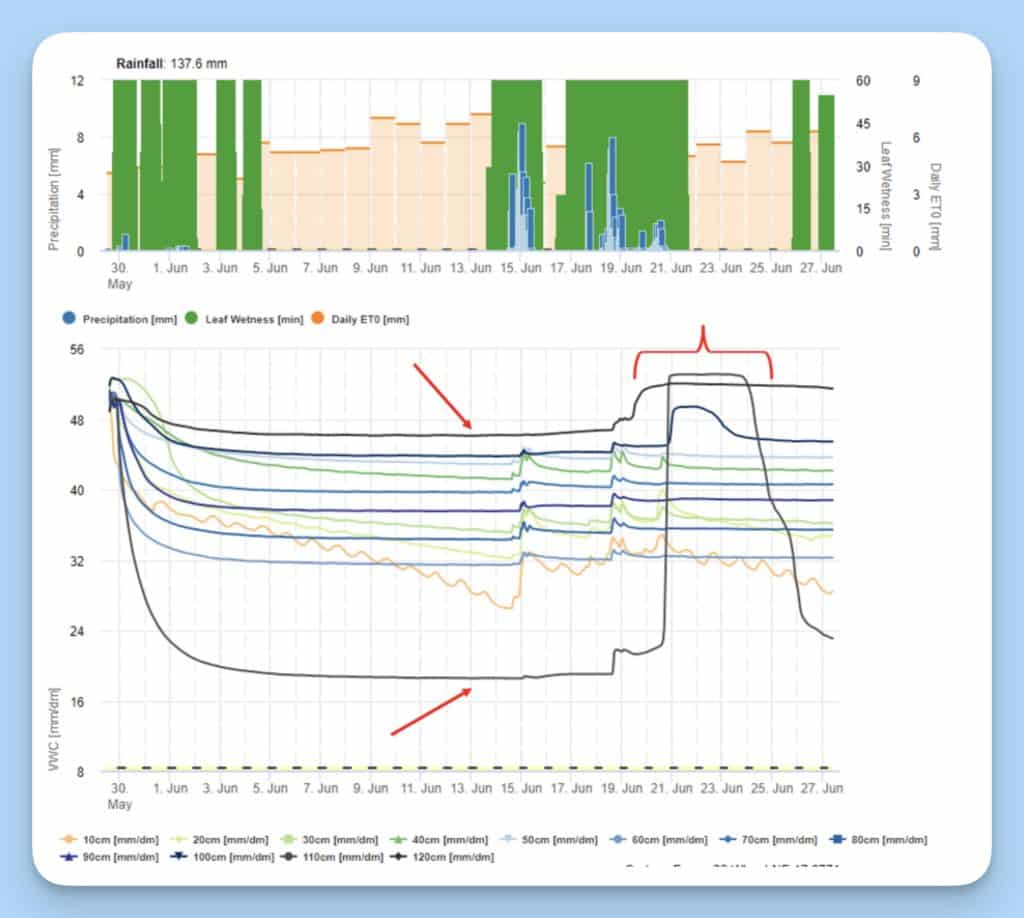
This last example is what happens when different soil textures are present at depth after a multi-day rain event. At the surface, this soil is a silty clay loam which trends toward heavier clay at depth, except for a layer of sandy loam at 110 cm. It is this sandy layer that is shown by the lowest line on the graph.

After four days of rain the water has moved through the soil profile and slows down as it hits the lowest layer of clay at 120 cm (shown on the top line of the graph). Water is building up at this point and the sensors at 110 and 100 cm spike up as the water collects. This is particularly dramatic with the sandy loam soil which typically does not hold that much water. As the water drains over the next few days you can see it returns to normal levels.

It's the type of information that you didn’t think you needed, until you do.

Soil moisture probes can provide useful information about how water interacts with the crop and soil textures in the field. Observing data from research sites shows how different SWAT Zones will respond to different moisture conditions. Recognizing a need for drainage solutions, understanding crop stress and yield potential, or managing nutrients in season with SWAT MAPS are all potential benefits of good soil moisture data.

The SWAT MAPS team is here to guide decision making to help you make the best use of this technology. Reach out to get started or to discuss ways on maximizing the work your weather station does for you.