CROPTIMISTIC AWARDED U.S. PATENT FOR SWAT CAM AS PRODUCT SURPASSES ONE MILLION ACRES

FOR IMMEDIATE RELEASE: MAY 15, 2026

SASKATOON, SK – Croptimistic Technology has been awarded a U.S. patent for the SWAT CAM process, the company’s autonomous in-field imaging and crop analytics product. The patent, titled “Method and System for Automatically Capturing and Extracting Data From Images of Agricultural Field Crops and Weeds Using Machine Learning Processes,” recognizes Croptimistic’s innovations using artificial intelligence.

The announcement comes as SWAT CAM surpassed one million acres mapped in western Canada in 2025 in just it’s third season, marking a major commercialization milestone. Patent approvals in additional countries, including Canada, are expected to follow.

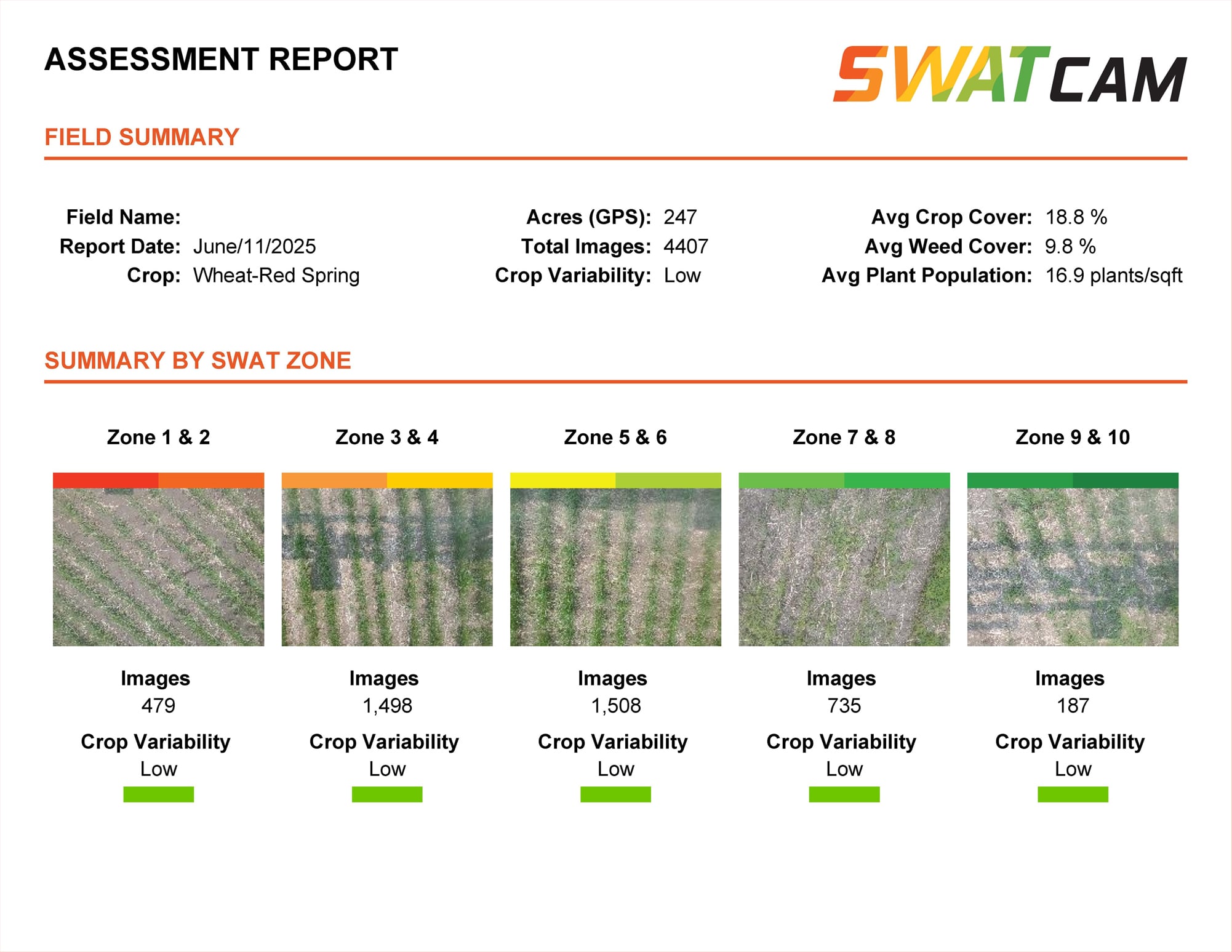
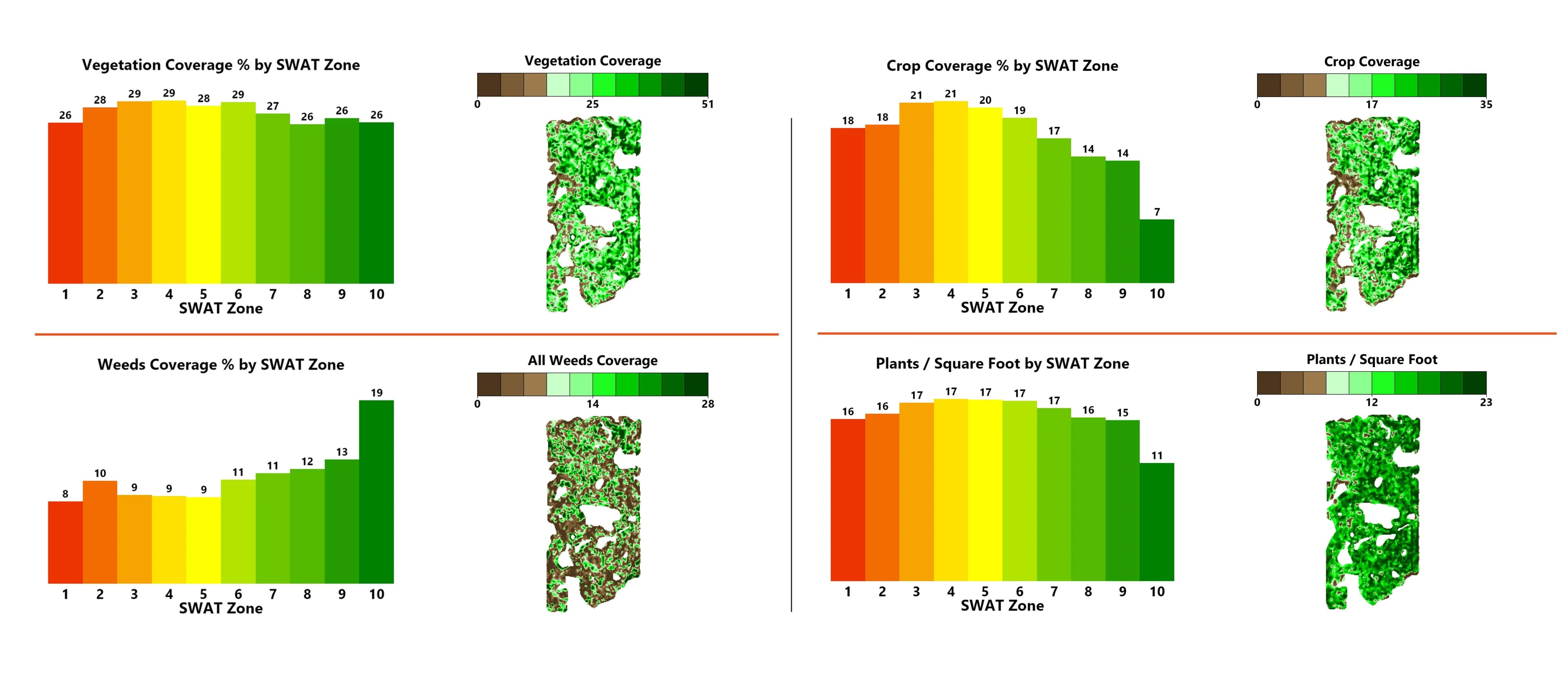
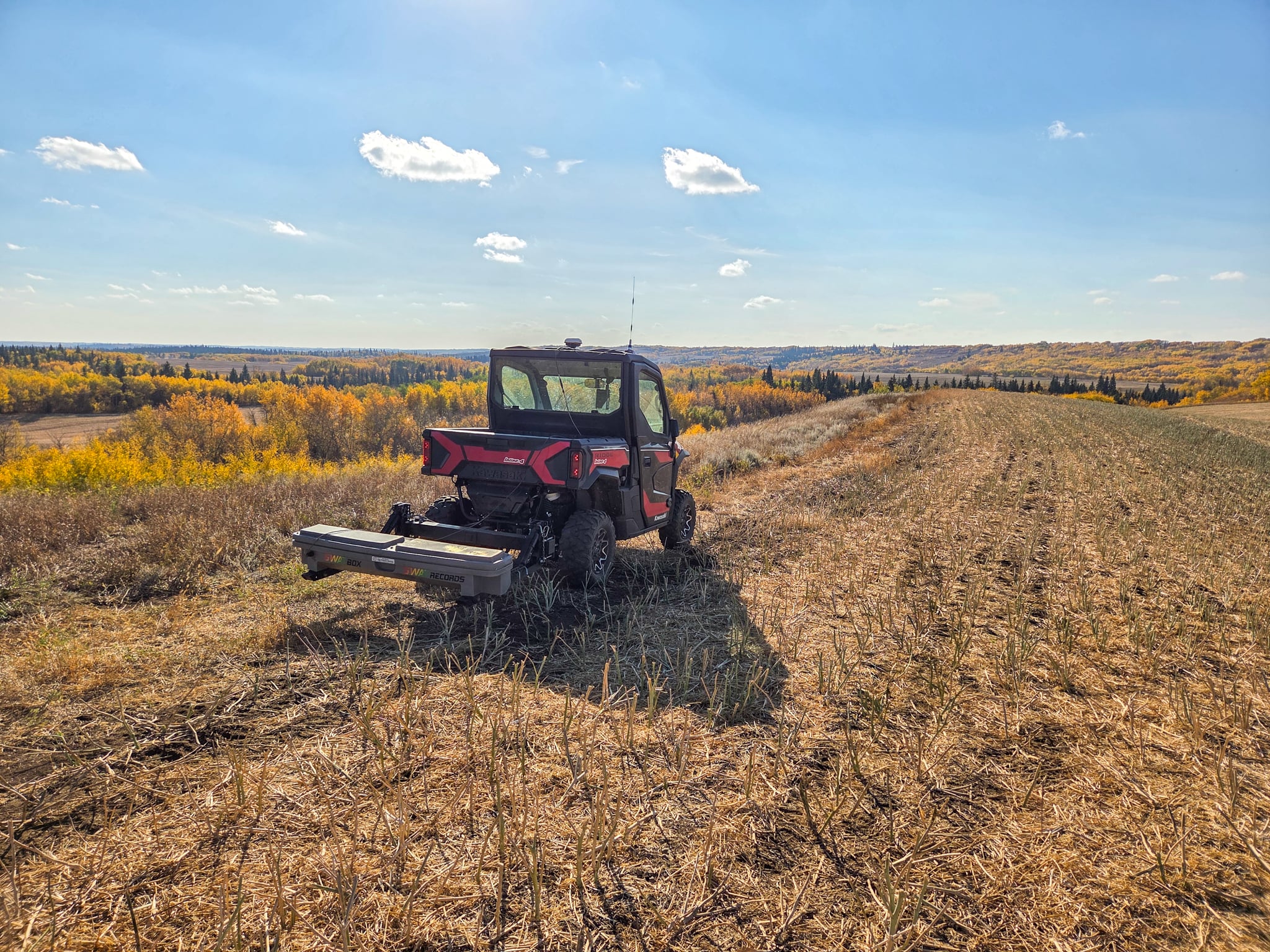
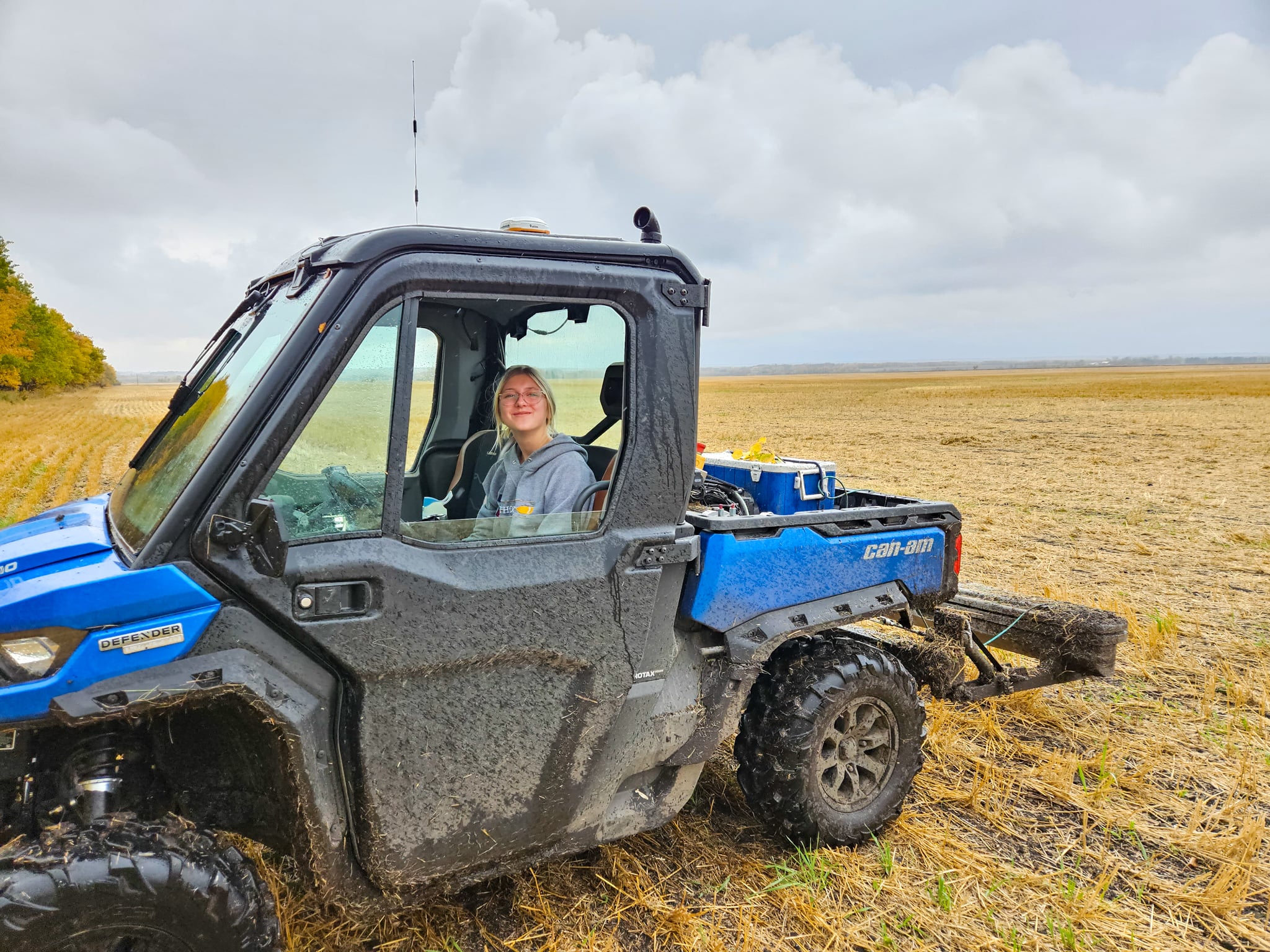
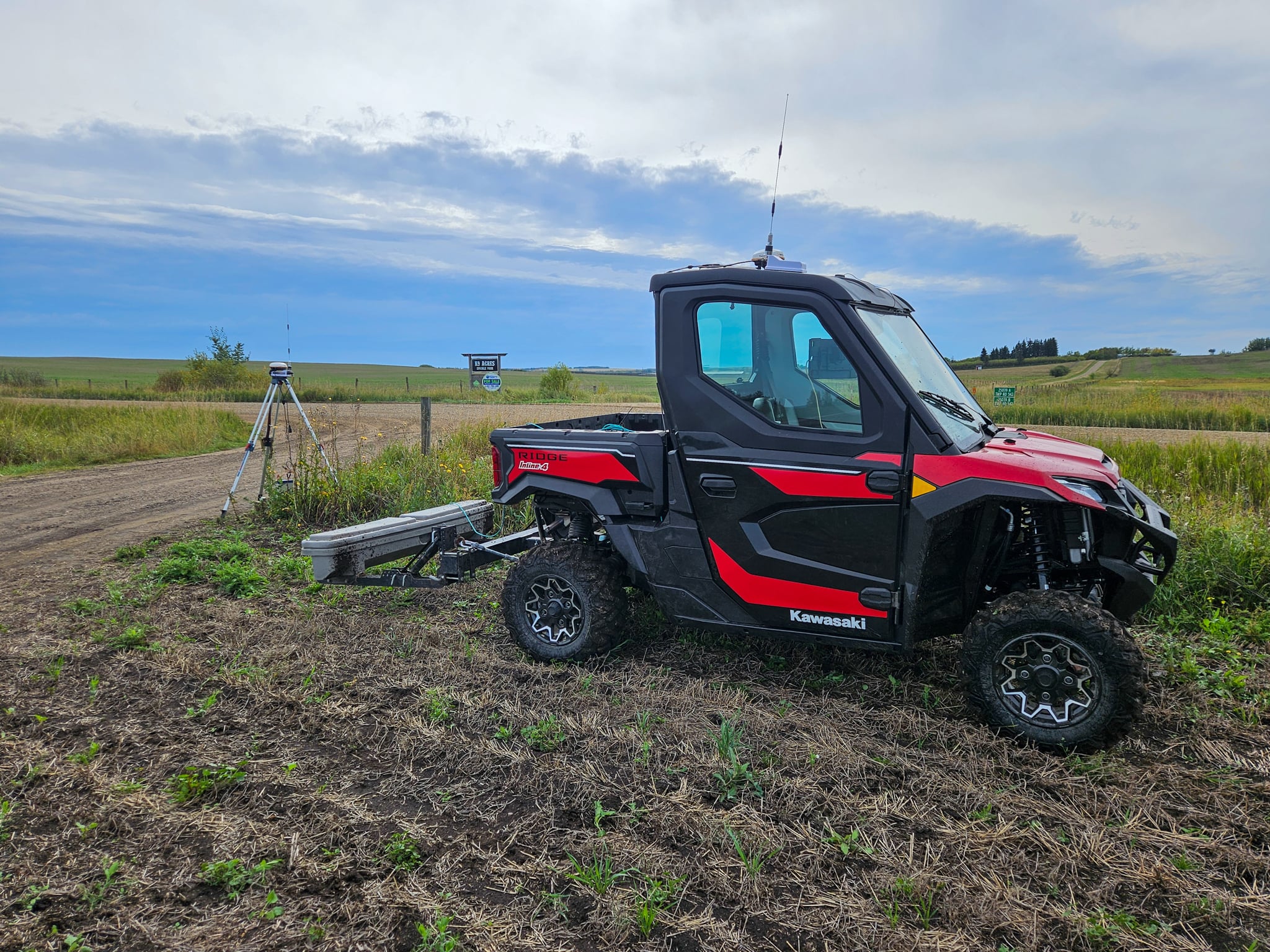
The technology was developed to replace the job of agronomists and farmers conducting manual plant stand counting, which is a labour-intensive job accomplished by driving to a field and counting at a few locations. During normal farming operations, SWAT CAM autonomously captures images every 60 feet from two cameras mounted on a field sprayer. With 1000’s of images per field, it applies machine learning models to extract crop and weed population data at scale. Agronomists and farmers can evaluate variability in crop establishment throughout the SWAT MAPS zones on fields across the entire farm without any vehicle or labour requirements. Farmers require consistent, optimum plant stands in zones and between fields to maximize their profitability in today’s expensive seed market.

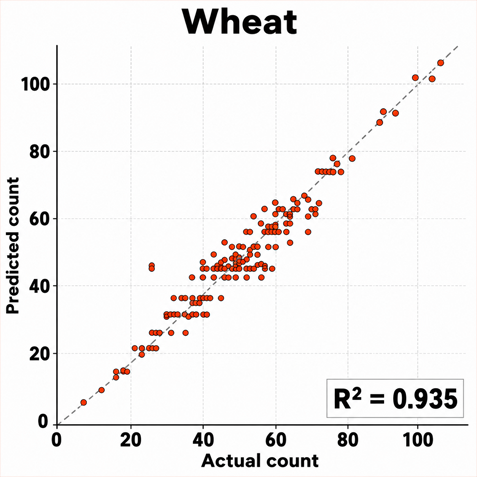
For 2026, Croptimistic has significantly improved cereal crop plant stand counting models for wheat, oats, barley, and canary seed, while introducing new beta plant stand count models for lentils and flax. Plant count models are now predicting within six per cent of actual counts as the Croptimistic team continues to advance the accuracy and reliability of outcomes.

“SWAT CAM is more than a single model; it's a continuously learning system, and every season's data makes the next release sharper, more reliable, and more relevant to the growers who depend on it” says Erfan Khalaji, AI and Data Scientist at Croptimistic. “Every year more crop models and use cases are added.”

Hardware Director Mark Marianchuk states that “the SWAT CAM system was designed to autonomously capture high-quality imagery during dawn to dusk spraying operations in a compact format that easily mounts to the booms of any sprayer model.”

Systems Engineering Manager Jason Harmon adds, “our objective is to provide farmers low-cost, high-density crop establishment variability mapping”.

Croptimistic is currently field testing the next generation of SWAT CAM hardware, including upgraded camera systems, mounting designs, and on-board capabilities aimed at further improving the user experience and agronomic insight. In alignment with the company’s “Never Obsolete” philosophy, existing SWAT CAM users will receive the updated hardware systems when they become released at no additional cost.

SWAT CAM is only available to SWAT MAPS users as the analytics are directly related to SWAT MAPS zones. Other common uses include variable-rate on/off fungicide maps when satellite imagery is poor or unavailable due to clouds or smoke. A few systems are still in stock and available for spring 2026. Contact support@swatmaps.com to order.

About Croptimistic Technology Inc.: Croptimistic Technology Inc. is an international AgTech company providing SWAT MAPS, a turn-key variable rate process that prioritizes Soil, Water, and Topography factors of fields for the creation of management zones. Their SWAT RECORDS software powers the entire SWAT ECOSYSTEM of products, all of which are synced with the app for real-time viewing. Learn more about SWAT products and how you can leverage SWAT MAPS by visiting swatmaps.com.

-30-

For more information, contact:
Alexandra Blackwell
Marketing Manager
marketing@swatmaps.com

Fifteen Years in the Field: Six Strong Ag and the Power of SWAT MAPS

Based in Marwayne, Alberta, Six Strong Ag has spent the past 15 years building a consulting business rooted in hands on agronomy and long-term relationships. Early in the journey, benchmark soil sampling provided valuable insight, but as more data became available, it also exposed a growing limitation.

“We were calling a sandy hilltop the same thing as a low alkaline spot because they weren’t producing anything,” explains Owner Darcy Saskiw. “But they’re not the same, and we can’t treat them the same.”

That shift in thinking set Six Strong Ag on a path toward zone-based management and eventually toward SWAT MAPS. What stood out was the ability to tie agronomic decisions back to real field variability, rather than relying on surface level indicators that did not always tell the full story. Adopting SWAT MAPS allowed Six Strong Ag to bring variable rate management into their consulting work in a way that felt practical and defensible. It also helped bridge the gap between what farmers were seeing in the field and what the data was actually saying.

As with any new approach, hesitation was common in the early stages. Conversations often started with questions around cost and whether the technology would truly deliver value. Over time, those concerns began to fade.

“For the first couple of years, almost every customer was hesitant,” they say. “But once they used it for a season and saw the benefits, their perspective changed.”

Those benefits were not always measured in yield alone. Many growers noticed more even crops, reduced fertilizer and seed use, and smoother harvests. Yield improvements often followed, but the confidence came from seeing fields perform more consistently across zones. Some of the most impactful insights came from digging deeper into soil data. Variability in nutrients like calcium stood out, revealing opportunities that had previously gone unnoticed.

“In one field we varied calcium anywhere from a half ton per acre to four tons per acre,” Saskiw explained. “It didn’t show up right away, but within a couple of years it went from a poor producing field to one of their better ones.”

Salinity management also became more targeted. Instead of continuing to fertilize areas that could not respond, growers adjusted seeding and input strategies based on zone potential. With increasingly precise equipment, those decisions could be made at a much smaller scale, allowing problem areas to be addressed without compromising the rest of the field.

Looking ahead, Six Strong Ag sees precision agriculture continuing to evolve as more data sources come together. Improved harvest maps, imagery, AI driven tools, and tools like SWAT CAM are creating new opportunities to refine management strategies.

“Once we start integrating all that data together, we can keep getting better at how we build and manage zones,” Saskiw noted. “That’s where the future really is.”

Despite the technology, Six Strong Ag believes its biggest differentiator remains its hands on approach. The people making recommendations are the same people out in the field, season after season.

“We’re a small company and we’re very hands on. It’s actually us doing the work, not hired help, and our customers see value in that.”

That consistency has helped build strong relationships and long-term trust, even as the business continues to grow. Expanding SWAT managed acres remains a priority, along with exploring new services such as compaction testing and mapping to meet growing farmer interest.

Fall 2025 marked an important milestone as Six Strong Ag celebrated 15 years in business. Over that time, the impact of SWAT MAPS has become increasingly clear.

“One grower returned 20 bags of canola seed at the end of the year,” said Saskiw. “That alone paid for half of SWAT, and that’s before you look at fertilizer savings or other crops.”

For Six Strong Ag, the partnership with SWAT MAPS reflects a shared commitment to continuous improvement. Both are focused on adapting, refining, and finding better ways to help farmers succeed.

The SWAT MAPS Team is proud to work alongside passionate service providers like Six Strong Ag. Learn more about what’s happening in their corner by following them on social media:

X: @SixStrongAg
Phone: (780) 522-8135
Email: darcysaskiw@gmail.com

Farmers: visit https://swatmaps.com/find-a-service-provider/ to find a SWAT MAPS Service Provider near you.

CROPTIMISTIC TECHNOLOGY INC. RELEASES 2025 SUSTAINABILITY REPORT

FOR IMMEDIATE RELEASE: APR 7, 2026

SASKATOON, SK – Croptimistic Technology Inc. is proud to announce the release of its 2025 Sustainability Report, outlining the progress achieved through its business strategy and continued commitment to building a more sustainable future.

Guided by two core pillars, Optimizing Sustainability in Agriculture and Opportunities for Employees and Rural and Agricultural Communities, the company’s sustainability approach continues to direct investments and actions where they can make the greatest impact. These focus areas reflect where Croptimistic is uniquely positioned to drive meaningful change across the agriculture sector and the communities it serves.

“2025 was a year of meaningful change for Croptimistic, both externally and within our organization,” said Sustainability Director Bonnie Dobchuk. “Throughout that change, our sustainability strategy kept us focused and aligned with what matters most to our stakeholders. As we look to 2026, we’re building on that momentum and continuing to deepen our impact across agriculture and the communities we serve.”

Throughout the year, Croptimistic celebrated the strength and innovation of its multidisciplinary teams, spanning hardware and software development, agronomy, and data science. To stay aligned with stakeholder priorities, Croptimistic re-surveyed employees and owners in 2025 to reassess key material topics. While minor shifts emerged, the results reaffirmed that the company’s sustainability direction reflects stakeholder values and expectations.

Key highlights from the 2025 report include:

The 2025 Sustainability Report is now available for viewing online at swatmaps.com/sustainability.

About Croptimistic Technology Inc.: Croptimistic Technology Inc. is an international AgTech company providing SWAT MAPS, a turn-key variable rate process that prioritizes Soil, Water, and Topography factors of fields for the creation of management zones. Their SWAT RECORDS software powers the entire SWAT ECOSYSTEM of products, all of which are synced with the app for real-time viewing. Learn more about SWAT products and how you can leverage SWAT MAPS by visiting swatmaps.com.

-30-

For more information, contact:

Alexandra Blackwell

Marketing Manager

marketing@swatmaps.com

DRIVING REGENERATIVE AND SUSTAINABLE AGRICULTURAL PRACTICES WITH PRECISION: CROPTIMISTIC RELEASES WHITE PAPER

FOR IMMEDIATE RELEASE: MAR 16, 2026

SASKATOON, SK – Croptimistic Technology Inc. has released a white paper, Driving Regenerative and Sustainable Agricultural Practices with Precision, highlighting how the future of regenerative agriculture is in the hands of precision ag.

Drawing on decades of agronomic, soil, and hydrological expertise, the paper shows how field-scale insights empower farmers to increase productivity, strengthen soil health, and reduce environmental impacts. Unlike frameworks that avoid detailed farm-level data due to cost or difficulty, this framework focuses on high-resolution farm data measured on the ground using today’s technology.

Croptimistic’s Regenerative Agriculture Framework outlines two foundational pillars, each with three key principles to focus on: Soil Health and Agricultural Productivity (focusing on soil organic matter conservation, erosion prevention and soil cover, and fertility optimization), and Integration with Agro-ecosystems (focusing on biodiversity enhancement, integrated pest management, and plant available water management).

"As a sustainability professional, I'm excited to share our vision of regenerative agriculture and to highlight how precision agriculture can meaningfully guide sustainable practices." said Bonnie Dobchuk, Croptimistic’s Director of Sustainability.

Best known for its product SWAT MAPS, the company has long specialized in developing proprietary zone maps that enable farmers to achieve optimal results with precision agriculture technology. Croptimistic’s technology driven approach offers a practical path to regenerative food production that supports farm profitability today while protecting the land for future generations. In the white paper, Croptimistic brought together our experienced science team including Phillip Harder, Ph.D., Wes Anderson, and Joel Ens, Ph.D.

"As a hydrologist, I’m excited to link precision agriculture with sustainability and its hydrological foundations, helping identify where agricultural practices influence water resources. This knowledge is essential to advancing regenerative agriculture,” said Phillip Harder, VP of Data Science.

"I'm proud to share examples of regenerative agriculture in action in this paper. Our team at Croptimistic, our farm clients, and our partner network around the world are demonstrating advanced sustainability practices backed by science, facilitated with the SWAT ECOSYSTEM." said Wes Anderson, VP of Agronomy.

Joel Ens, Croptimistic’s soil science expert said: "It’s easy to prescribe ‘sustainable practices’ and be surprised when outcomes vary by field or region. When we recognize agriculture as a variable ecological system, we can work with its natural variability and better realize benefits for both farmers and the environment."

The full whitepaper can be read HERE.

About Croptimistic Technology Inc.: Croptimistic Technology Inc. is an international AgTech company providing SWAT MAPS, a turn-key variable rate process that prioritizes Soil, Water, and Topography factors of fields for the creation of management zones. Their SWAT RECORDS software powers the entire SWAT ECOSYSTEM of products, all of which are synced with the app for real-time viewing. Learn more about SWAT products and how you can leverage SWAT MAPS by visiting swatmaps.com.

-30-

For more information, contact:
Alexandra Blackwell
Marketing Manager
marketing@swatmaps.com

CROPTIMISTIC LAUNCHES NEW SWAT RECORDS WEB APP AND PRESCRIPTION EXPORTER

FOR IMMEDIATE RELEASE: FEB 23, 2026

SASKATOON, SK – Croptimistic Technology Inc. (Croptimistic) is excited to announce the release of two significant improvements to software products for its international team of agronomic service providers: SWAT RECORDS Web App and Prescription Exporter.
Well-known for its brand SWAT MAPS, the focus of the company has traditionally revolved around building proprietary zone maps that provide optimized value outcomes for farmers utilizing precision agriculture technology. Users have been hungry for more advanced software tools for speed, consistency and accuracy. The launch of these new tools signals Croptimistic’s focus in 2026 to fulfill the digital appetite. The new Web App will eliminate file sync software, speed variable-rate report building, and provide many new features to make it easier to enter and navigate.

“At Croptimistic, we constantly strive to improve the efficiency and accuracy of SWAT based prescriptions and a foundation to integrate AI and workflow automation to achieve our goals,” said VP of Agronomy Wes Anderson, who led the design of the new Web App features.

Dustin Irvine, Senior Software Developer, responsible for the build team, added “We are excited to bring SWAT RECORDS to web, granting you access to the most up-to-date software on demand, while allowing us to rapidly iterate and deliver new features at the same time.”

Croptimistic is also releasing the Prescription Exporter, a new tool that automatically takes existing recommendations and seamlessly steps into prescription file writing and exporting. The traditional process required significant skill and was time consuming whereas the new process takes 10x less time and delivers unmatched accuracy and consistency of the final product.

"The Prescription Exporter eliminates the grind of exporting prescription files and turns it into a fast, effortless process,” said Tyson Walker, GIS Manager, who led the operations team to design the tool. “With batch exporting and clean, monitor ready outputs, you can generate everything you need in seconds”.

Taylor Kaye, lead Software Developer of the project, added “The launch of the Prescription Exporter is about removing friction. By automating batch prescription builds, we’re giving users back time and reducing the complexity that comes with creating and managing farm prescriptions.”

About Croptimistic Technology Inc.: Croptimistic Technology Inc. is an international AgTech company providing SWAT MAPS, a turn-key variable rate process that prioritizes Soil, Water, and Topography factors of fields for the creation of management zones. Their SWAT RECORDS software powers the entire SWAT ECOSYSTEM of products, all of which are synced with the app for real-time viewing. Learn more about SWAT products and how you can leverage SWAT MAPS by visiting swatmaps.com.

-30-

For more information, contact:
Alexandra Blackwell
Marketing Manager
marketing@swatmaps.com

What Does the SWAT in SWAT MAPS Stand For?

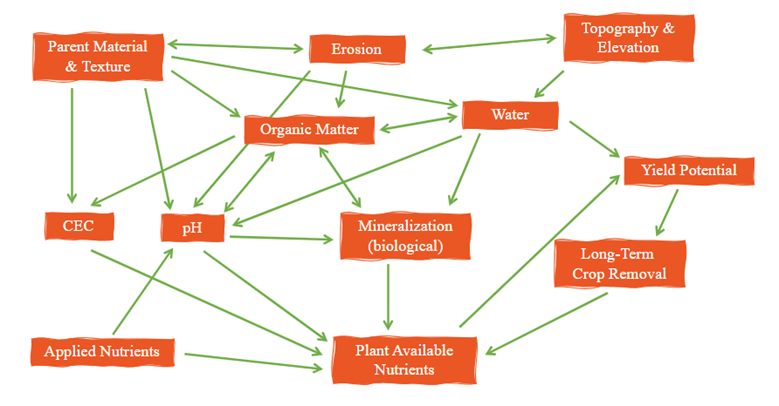
Many people may wonder why SWAT MAPS variable rate is named the way it is. While it may sound like just a “cool name,” it stands for three critical factors for unlocking a strong and stable variable rate system: Soil, Water, and Topography. These factors are essential for applying inputs such as seed, fertilizer, soil amendments and even soil applied herbicides within soils to provide the best ROI. Soil, water, and topography are all factors that have influence over and interact with one another, such as seen in Figure 1. These interactions impact both yield and fertilizer response of a crop and should be looked at in depth when making variable rate recommendations. Other tools such as yield data and satellite imagery show you variability without explaining the why. Unlike SWAT MAPS. They do not differentiate the most important factors in determining fertilizer behaviour and responses: soil potential.

Figure 1. Soil water and topography interactions that influence soil fertility.

Soil is the most important factor to look at when it comes to a strong, stable and successful variable rate program. Many soil components influence the yield of a crop from year to year and determines how a crop will respond to added fertility.

Two key factors are topsoil depth and organic matter levels, which both influence mineralization rates and must be considered when making fertilizer recommendations. Some fields can have pockets of extreme organic matter levels (peat) that have excess nutrient mineralization rates, causing severe lodging and uneven crops. These areas need to be treated separately from other areas within a field and often need little to no nitrogen fertilizer applied.

Soil salinity and solonetzic areas can also greatly impact how a crop will yield and respond to added fertility. Identifying where these occur within a field and treating them separately Is a good way to save on fertilizer costs, as they typically have excess nutrients.

Soil texture is another important soil feature that should be considered when making fertilizer recommendations. Separating soil texture differences by zone can greatly improve fertilizer ROI. Areas that are sandy will be more moisture limited and have less mineralization compared to areas that have higher clay content. Sandy soils have lower CEC (ability to hold cations) than clays, and also have greater potential for leaching mobile nutrients like nitrate and sulfate. These differences should all be incorporated into a variable rate fertilizer recommendation.

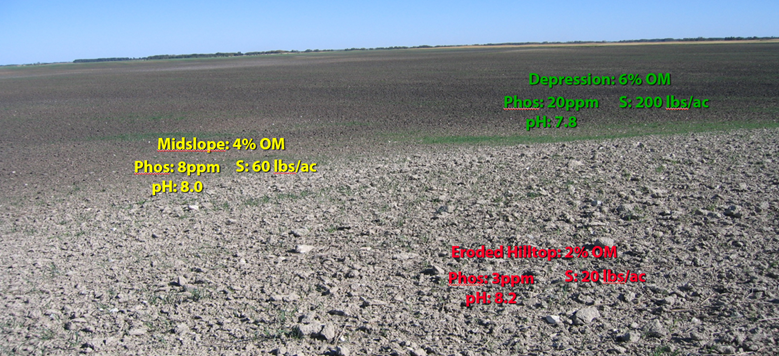
Figure 2. Different landscape positions within a field along with their soil properties.

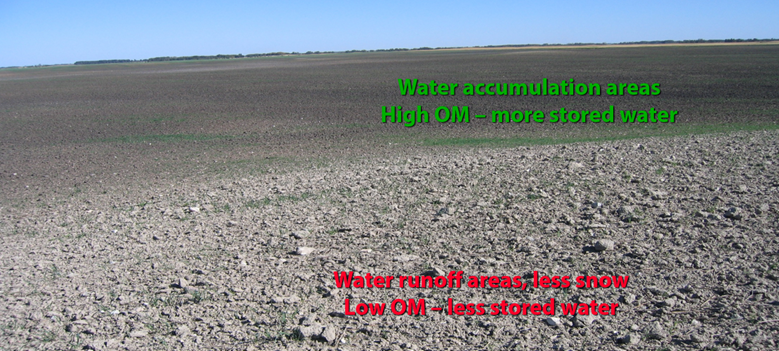
Water is the most important factor for crop growth, yield, fertilizer response, and nutrient-use efficiency. When using variable rate, you need to be able to separate out areas in a field where there will be different degrees of available moisture (Figure 3). Zones with limited, adequate, or excess moisture should be managed separately when it comes to applied fertilizer and seed rates. Knolls or sand/gravel seams are commonly moisture limited and should be treated differently than mid-slope positions and depressional areas which typically have more moisture. However, areas with adequate or excess moisture shouldn’t necessarily receive excessively high fertilizer rates, either, as these areas are more prone to lodging and can cause uneven staging.

Figure 3 Example of water dynamics in a field.

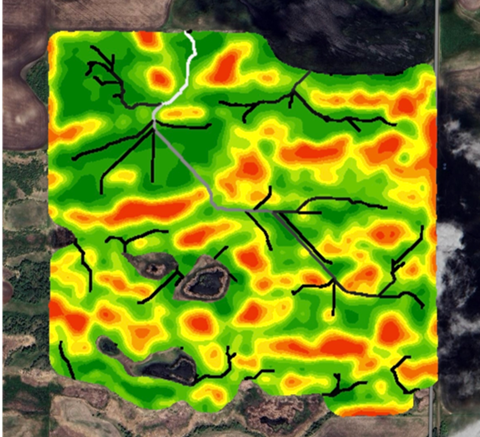
Topography is the third crucial factor that SWAT MAPS variable rate uses. Topography is the landscape position within a field (knolls, mid slopes, or depressions). Topography influences how the water sheds or collects and how it moves through a field (Figure 4). Topography has also influenced erosion history in fields. When summer fallow was a common farm practice, we ended up with a lot of eroded knolls due to the movement of topsoil from knolls to lower slope positions.

Figure 4. Example of water flow accumulation through a SWAT MAP field.

Organic matter levels within a field typically follow topographical position, with levels increasing as you go downslope. In some cases, this is due to historical farming practices such as such as tillage, while other cases are natural occurrences such as peat depressions and gravel/sand ridges. Soil pH also varies with landscape position. In regions with calcareous soils, eroded knolls usually have higher pH due to exposed subsoil with containing calcium carbonates, or natural lime. In other regions we find pH is influenced more by texture, with sandier soil types being most acidic. Topography influences soil fertility through the movement of water containing mobile nutrients such as nitrogen and sulphur. The movement of topsoil and organic matter will impact the overall nutrient availability and mineralization in different landscape positions. Finally, the overall differences in soil pH from land scape positions will impact the availability of all nutrients.

Many tools in the agriculture industry – such as yield mapping and satellite imagery – can be used for making variable rate decisions, but they are not a stable or standalone approach that should be taken when it comes to fertilizer and seed rates. These methods show us historical field performance and variability, but they lack the “why.” Soil, Water and Topography are the three main factors that influence fertilizer response and yield potential. Understanding these factors through a SWAT MAPS variable rate approach helps explain the “why” and helps to unlock your soil potential.

CROPTIMISTIC LAUNCHES SWAT LABS, ADVANCING INTEGRATED SOIL ANALYSIS

FOR IMMEDIATE RELEASE: JAN 5, 2026

SASKATOON, SK Croptimistic Technology Inc. (Croptimistic) is pleased to announce the launch of SWAT LABS, a new in-house soil test analysis facility designed to tightly integrate soil sampling, laboratory analysis, and digital records within the company’s SWAT ECOSYSTEM. The new lab represents a strategic investment in data quality, operational efficiency and automated soil sampling systems.

Located at Croptimistic’s new corporate headquarters at 10-721 66th Street East, Saskatoon, Saskatchewan, SWAT LABS has already processed all Croptimistic soil samples collected during the fall 2025 season and is scheduled to open to select partners across Western Canada in spring 2026.

“With the startup of SWAT LABS, we’re rethinking the soil analysis workflow at Croptimistic,” says Phillip Harder, VP of Data Science. “Instead of treating lab results as a disconnected data source, we’ve designed an operationally efficient system where soil sampling, analysis, and digital records are seamlessly connected through SWAT RECORDS”.

“By bringing soil analysis in-house, we improve laboratory accuracy and precision, connect quality control directly to our samplers and agronomists, and build an integrated soil library that enables enhanced data-driven analytics of soil–crop interactions,” said Joel Ens, Soil Scientist.

The new facility is purpose-built with modern laboratory technology and staffed by a team of professionals, supporting both improved service delivery and local economic development. SWAT LABS employs 8 new staff during the busy season, with plans to scale capacity incrementally as demand grows.

“It’s been exciting to bring together an experienced and skilled team, build a cutting-edge facility with the latest technology, and be able to bring our customers extra value,” said Darin Richman, Lab Manager. “Providing more information for our clients while boosting our local economy is a double win.”

Croptimistic has also been building a large spectral library of soil profiles and nutrients utilizing it’s new dual-probe systems. In-field analysis prototypes collect in-situ soil sensor data that is calibrated by the data science team with traditional soil testing from SWAT LABS. Croptimistic is scaling the integration of soil sampling tools, analytics and automating business for the future.

About Croptimistic Technology Inc.: Croptimistic Technology Inc. is an international AgTech company providing SWAT MAPS, a turn-key variable rate process that prioritizes Soil, Water, and Topography factors of fields for the creation of management zones. Their SWAT RECORDS software powers the entire SWAT ECOSYSTEM of products, all of which are synced with the app for real-time viewing. Learn more about SWAT products and how you can leverage SWAT MAPS by visiting swatmaps.com.

-30-

For more information, contact:
Alexandra Blackwell
Marketing Manager
marketing@swatmaps.com

SUSTAINABILITY REPORTING ENHANCED WITH NEW SWAT MAPS AND AGEXPERT INTEGRATION

SASKATOON, SK – NOV 19, 2025: Croptimistic Technology Inc. is pleased to join Farm Credit Canada (FCC)’s Sustainability Incentive Program with the integration of SWAT MAPS into FCC’s AgExpert software.

With this integration, farmers gain access to a high-quality tool that makes managing sustainable practices easier and more effective. AgExpert Field Premium users can now seamlessly sync their SWAT MAPS (soil, water and topography) data, including field acreage and agronomic activities. Together, the programs allow for better planning, better record-keeping, and the ability to track eligibility for the FCC 4R Incentive.

“FCC’s ongoing commitments to promoting sustainable agriculture align extremely well with Croptimistic's sustainability strategy,” said Bonnie Dobchuk, Sustainability Director at Croptimistic. “We are both aligned in wanting to see farmers rewarded for excellent nutrient management practices, which are known to reduce nutrient losses to the environment, including via greenhouse gas emissions.”

Field boundaries, acreages, and agronomic activities such as fertilizer applications are imported directly into AgExpert Field, reducing manual entry and keeping information consistent across platforms. The result is accurate, up-to-date field data that makes farm management simpler and more efficient.

“FCC is committed to advancing sustainability in Canadian agriculture,” says Colin Brisebois, Vice-President Product and Market Strategies. “By partnering with SWAT MAPS and integrating with AgExpert, we’re making it easier to recognize producers for their adoption of practices that benefit their land, business, and the environment.”

“FCC and Croptimistic are both aligned in wanting to see farmers rewarded for excellent nutrient management practices. Plus, we’re always looking for ways to make farming easier and more informed,” said Cory Willness, CEO at Croptimistic Technology. “Working with FCC to integrate SWAT MAPS with AgExpert gives farmers a powerful way to bring their data together and make the most of their sustainable practices.”

About Croptimistic Technology Inc.: Croptimistic Technology Inc. is an international AgTech company providing SWAT MAPS, a turn-key variable rate process that prioritizes Soil, Water, and Topography factors of fields for the creation of management zones. Their SWAT RECORDS software powers the entire SWAT ECOSYSTEM of products, all of which are synced with the app for real-time viewing. Learn more about SWAT products and how you can leverage SWAT MAPS by visiting swatmaps.com.

Managing Pulses: What Factors to Consider

After observing the moisture conditions and economics present in Western Canada this year, growing a pulse crop can have big advantages. There are many different factors to consider for managing fields to grow a pulse on, including rotation, plant stand management, weed management, herbicide management, residual nitrogen levels, and topography/soil type. Let’s explore some of these important considerations:

Rotation
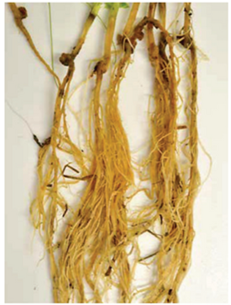
Crop rotation is one of the most effective ways to help manage root rot diseases such as Aphanomyces in both peas and lentils. Root rot can infect plants at any stage and cannot be stopped once infection has set in. Pulses should only be grown 1 in every 4 years at a minimum. Once Aphanomyces has been confirmed within a field, the crop rotation of peas and lentils should be increased to 1 in every 8 years. Growing pulses on cereal or oilseed stubble is preferred, and they should not be grown on pulse stubble because of increased disease and weed pressure. Be aware of fields that previously had fusarium root disease in a cereal crop or sclerotinia in canola as there would be increased disease risk in the pulse crop.

Figure 1. Pea roots infected with Aphanomyces. Source: Syama Chatterton, Agriculture and Agri-Food Canada

Plant Stand Management
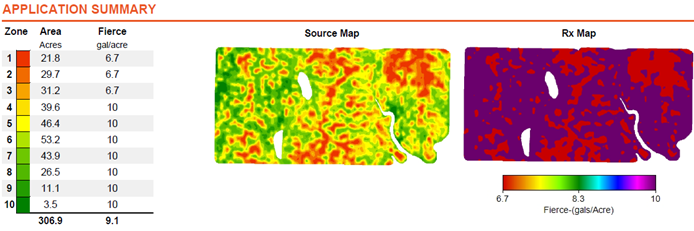
Managing the plant density in a field and knowing if the population is correct is important. If density is too high, disease risk is increased due to the denser canopy and timely fungicide application becomes more important. Fungicide should be budgeted for a minimum of one application, but in wetter conditions, multiple applications may be necessary. There are ways to reduce the amount of fungicide used such as a simple on/off application targeting areas of the field with a denser canopy. Selection of a map to do this can be aided by tools such as SWAT CAM, satellite imagery, or the SWAT MAP itself. Having a discussion with your SWAT CERTIFIED consultant can help decide the best source of data to use for this application.

Figure 2. ON/OFF fungicide application created utilizing SWAT CAM

If density is too low, weeds have a better chance of thriving and there may also be reduced yield potential because pulses are not able to compensate by producing bigger plants the same as other crops might. Higher densities do have benefits by increasing plant competition which can help to compete with weeds. With SWAT MAPS you can fine tune your plant stand to specific areas throughout the field by utilizing a variable rate seed program. Determining the plant stand that best works for your pulses in different soil types and landscape positions can help achieve a balance of yield potential, weed competition, and disease risk.

Weed Management
Pulse crops are not very competitive and do not have the broad spectrum of herbicide options that other crops do, therefore, selection of clean fields is critical. Fields with perennial weed issues should be avoided as there are limited in crop options to control these. Fields that are known to have Group 2 herbicide resistance issues such as cleavers, kochia, wild mustard or wild oat (Group 1 and 2) should be avoided as well. Kochia is a top weed of concern for pulse growers, because with populations that are resistant to herbicide Groups 2, 4 and 9, chemical control options quickly become limited. Harvest can be difficult with higher weed pressure, especially with weeds such as kochia, as weeds often remain green while the crop is ready to be harvested.

Herbicide Management
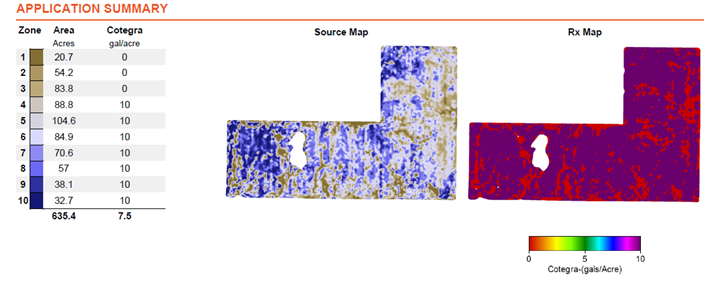
Dry conditions can increase the risk of herbicide carryover because soil moisture is a key factor in herbicide breakdown. Soil organic matter also influences the effects of soil residual herbicides; organic matter can tie up herbicides and is rich in soil microbes which are responsible for the breakdown of herbicides. At high levels of organic matter, too much herbicide can become unavailable making weed control less effective. On the other hand, low levels of organic matter where there is less tie up of the herbicide allows some herbicides to easily wash into the root zone increasing risk of crop injury. Soil texture can also influence herbicide carryover - higher clay content soils adsorb herbicides making them less available for weed control, while soils with higher sand content have more risk of herbicides leaching into the soil with heavy rainfall that can cause crop injury. Soil pH can also affect herbicides – how quickly it breaks down, how soluble it is in soil solution, and therefore how available it is for root uptake. A SWAT MAP can help clearly define the soil factors discussed previously allowing for better management of your herbicide carryover risk by utilizing a variable rate application as seen in figure 3 where a lower rate was applied on the hilltops to reduce risk of crop injury.

Figure 3. Reducing rates of herbicide on hilltops utilizing SWAT MAP

Residual Nitrogen Levels
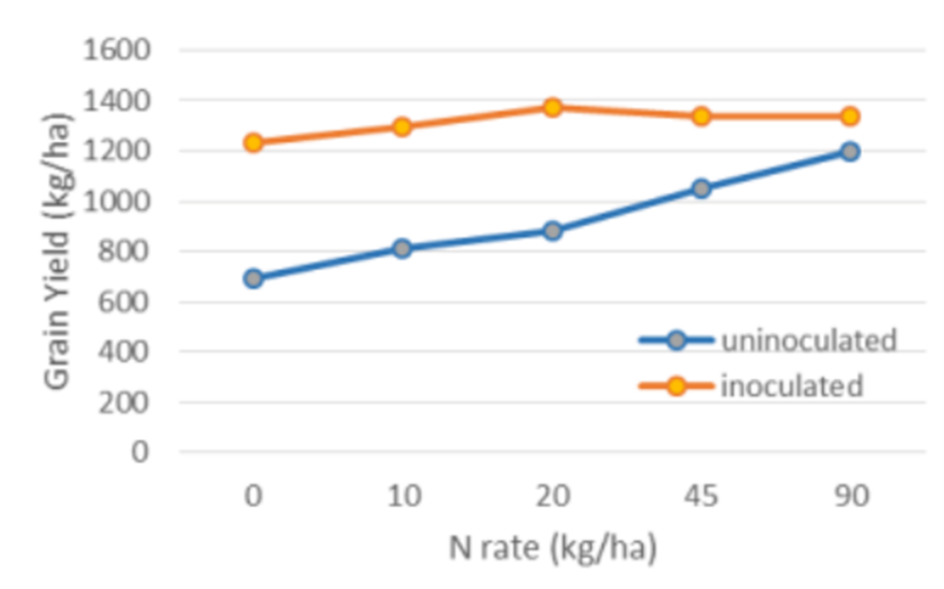
Pulses will fix the majority of plant nitrogen requirements if inoculated properly. Pulses grown on fields with high residual nitrogen have the risk of excessive growth leading to lodging, disease and poor nodulation. Research by Guy Lafond at Agriculture and Agri-Food Canada shows that pea fields with up to 54 lbs/ac residual nitrate did not have any impact on yield. Even though fields with high residual nitrate did not have a negative impact on yield it may be economically beneficial to select fields with lower nitrate levels allowing for other crops to take advantage of fields with higher residual levels. Having soil sampling completed by your SWAT CERTIFIED consultant will help provide the knowledge to make a more informed decision how to better match soil nitrate levels to crop choice. With poor nodulation the pulse crop uses higher amounts of nitrogen from the soil and may not produce nodules. This may lead to the plant running out of nitrogen later in the season because they may not be able to fix enough nitrogen. Results from a study done by Bremer et al. (1989) showed that even when high rates of nitrogen were applied on lentils, up to 80 lbs/ac, the inoculated treatments were the highest yielding.

Figure 4. Effect of nitrogen rate on lentil grain yield across 3 Saskatchewan sites in 1987 (Adapted from Bremer et al, 1989)

Topography/Soil Type
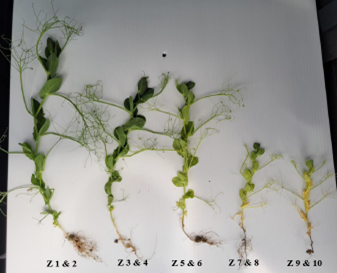
Pulses are often cut close to the soil surface during harvest, so, if possible, avoid fields that have large topography changes or lots of rocks to prevent damage to harvesting equipment. Pulses also have lower tolerance to salinity and poor drainage than most other crops so fields with high salinity should be avoided if possible. Select a field with lighter textured soils and good drainage as excess moisture can also delay seed set and maturity, increasing risk of poor harvest quality. SWAT MAPS clearly delineate your field into zones with 1 & 2 being the driest areas of the field all the way to 9 & 10 being the wettest areas of the field. If you have salinity, zones 9 & 10 are likely where it will show. Once a field is mapped and ground truthed selecting the SWAT MAP that best represents the field soil sampling can be completed to clearly define the different soil properties throughout the field.

Figure 5. Progression of root rot symptoms by SWAT zone.

Final Thought
There are many factors when selecting a field to grow a pulse crop on and careful management of these will help to ensure success. Good geospatial data such as SWAT MAPS, SWAT CAM layers, and satellite imagery can be valuable tools to manage these crops for higher returns. Speaking with your SWAT CERTIFIED consultant can help to select fields that are best suited to pulses and help make zone-based management decisions.

SWAT Partner Announcement: Banks Agro

The SWAT MAPS team is excited to welcome Banks Agro as our newest service provider in Morrisburg, Ontario.

Working with farmers across eastern Ontario, Banks Agro provides practical, data-driven agronomic services that help growers make confident decisions in the field. Through digital agronomy support, they combine hands-on expertise with advanced data tools. The approach to soil sampling and mapping gives farmers a clearer understanding of their soils and helps tailor management practices for better efficiency and improved results.

“Our digital agronomy support includes data-driven soil sampling that allows us to create a variety of maps that can easily be transferred to equipment to be used in the field,” says Kelsey Banks of Banks Agro. “We want to work with the grower to reduce stress while improving soil and crop management.”

In order to strengthen their ability to help farmers grow high-quality, better-yielding crops, Banks Agro looked for a tool that could provide deeper insight into the soil and field itself.

“To get a better idea of what the soil and crop need to grow a high-quality, better-yielding crop, we needed a tool to gain more information about the soil and field itself,” says Banks. “SWAT MAPS was the answer. I wanted to offer farmers in my area this tool so they can have a more focused crop plan that benefits them—sustainably and financially.”

By integrating SWAT MAPS, Banks Agro is equipping Ontario farmers with powerful insights to support better management decisions, improved productivity, and long-term soil health.

Join us in welcoming Banks Agro to our elite network of SWAT MAPS service providers. Stay tuned with what’s happening in their corner by following them on LinkedIn: BanksAgro and Instagram: @BanksAgro.

Contact:
Kelsey Banks
613-295-9931
banksagroagronomy@gmail.com